Indigenous Wisdom: Traditional Coffee Growing Methods at Hacienda Iluminada
Hello, Beautiful Humans!
Imagine a time when hands pressed into the fertile Puerto Rican soil, planting not in rows but in harmony with the forest. Shade trees towered above, protecting delicate coffee plants from the harsh sun. Pest control didn’t come from chemicals, but from a careful balance of biodiversity, every insect, bird, and plant had its role. This activity was a spiritual relationship with the earth, passed down through generations.
Today, Hacienda Iluminada carries that legacy forward. By honoring indigenous methods, like shade-growing under native trees, natural soil enrichment, and intercropping with medicinal plants.
We are preserving a story that started long before us, a story where every specialty coffee cup connects you to the wisdom of those who first learned to work with the land, not against it.
-If it’s good for EARTH it’s GOOD for YOU
Indigenous Wisdom: A Coffee Tour That Honors the Roots of Puerto Rico
When you drink our hand-picked specialty coffee at Hacienda Iluminada, you are teleported back to the past. Our methods are a living reflection of the Taíno people, the original inhabitants of Puerto Rico, who taught us how to farm and listen to the language of the earth.
Long before coffee reached our shores, the Taíno walked the same valleys where our coffee trees now grow. They practiced conuco (raised mound) farming, creating elevated beds of rich soil to plant crops like cassava (yuca), corn (maíz), and sweet potatoes (batata). Each conuco was carefully designed to protect against erosion and to recycle nutrients back into the earth. Around these fields, they planted shade trees and medicinal herbs (yerbas medicinales), not only to nourish the soil but to keep balance between crops, animals, and insects.
Our methods, from nurturing the plants under natural shade canopies to enriching the soil with our own compost, is a transfer of wisdom of the Taíno people. They taught us that the earth isn't a resource to be exploited, but a partner to be respected. This ancient understanding is the very heart of our farming practices.
Explore our coffee farms on a tour and you’ll see how we connect ancient wisdom with modern science. You'll walk the paths where indigenous communities first planted coffee. It's a journey that honors the past while embracing a sustainable future.
The Taíno Legacy: A Collaboration with the Land
The Taíno people’s developed conuco farming, a system that began with creating circular raised mounds for planting. This simple yet effective practice aerated the soil, improved drainage, and prevented erosion, ensuring the land remained fertile for generations.
Instead of planting a single crop in a field, the Taíno people practiced intercropping, a technique of planting different crops together. This method mimicked a natural forest ecosystem, making the fields more resilient.
For example, planting corn alongside coffee beans helped deter pests, as the different scents and plant structures confused insects. Additionally, the coffee bean trees, have a special ability to take nitrogen from the air and put it into the soil, acting as a natural fertilizer for the other plants. This smart, collaborative approach made the land healthier and more productive.
Their wisdom extended to the wider environment. Instead of clearing land, they integrated shade trees to protect delicate crops and provide organic matter to the soil. For water, they did not divert rivers but maintained healthy riverbanks and forests, which acted as natural sponges to filter water and regulate its flow. These self-sustaining system, are a legacy that we follow for generations to come.
The Science of Shade-Grown Coffee
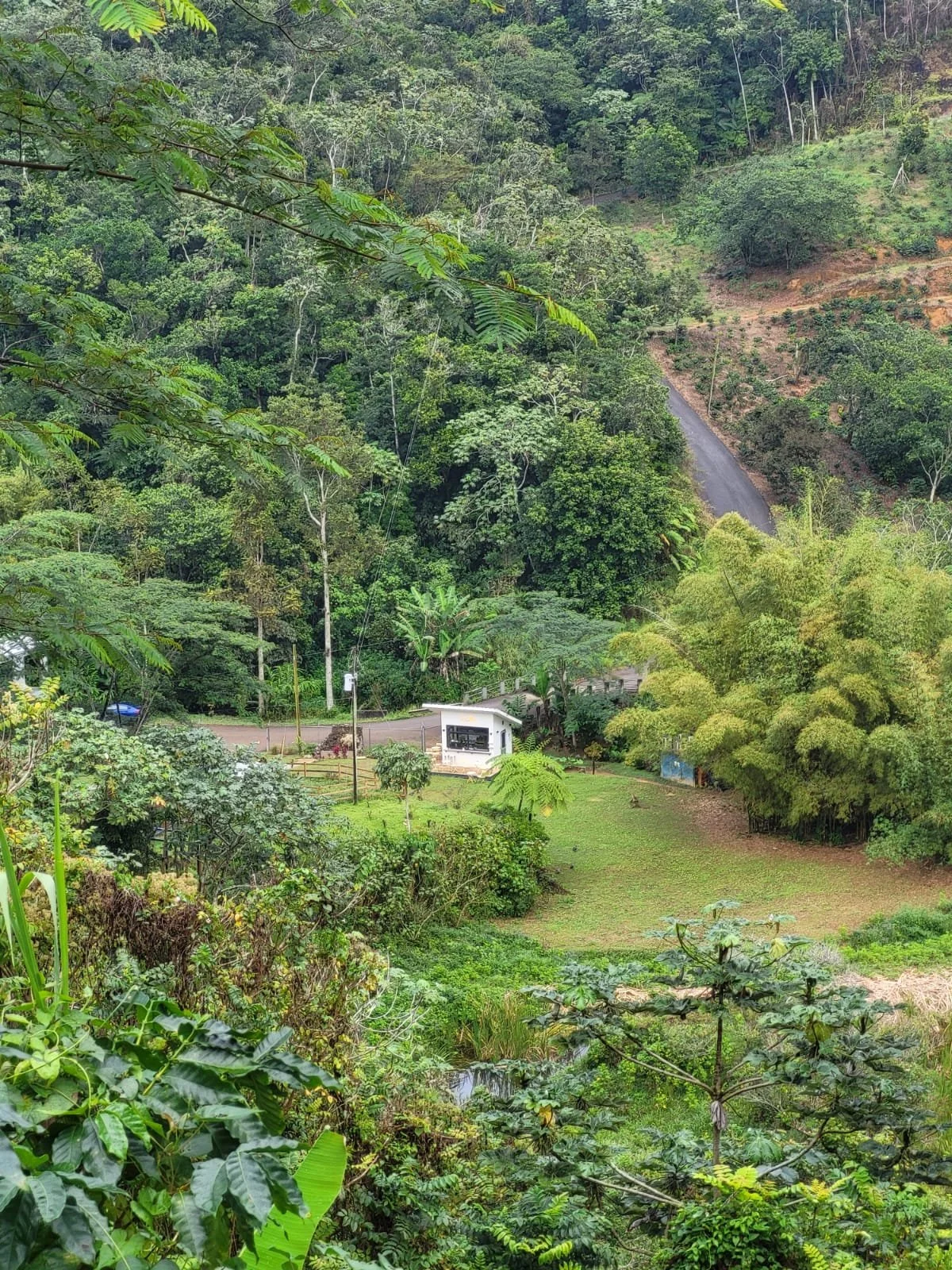
Picture a young Taíno farmer stepping into the forest at dawn. Above him, a canopy of guava, guamá, and flamboyán trees filters the sunlight. These trees are more than shade, they are guardians. This same shade-growing method continues at Hacienda Iluminada today.
For the Taíno, this was common sense. Now, science backs up their wisdom. Our system is a perfect example of agroforestry, an agricultural method that mimics a natural forest. Here’s why it’s so powerful:
Regulated Microclimate: The tree canopy acts like a giant natural air conditioner. The leaves reduce direct sunlight, lowering the temperature and creating a stable, cooler environment for the coffee plants. This protects them from heat stress, which is a major threat to coffee crops due to climate change.
Biodiversity and Pest Control: The diverse trees create a vibrant ecosystem that is a natural habitat for birds and insects. These creatures act as our partners in natural pest management, keeping harmful insects at bay and reducing our need for chemical pesticides. This biodiversity makes our coffee farm a healthier place for plants, animals, and humans alike.
Soil Health: As leaves from the shade trees fall, they decompose and return organic matter to the soil. This process, called nutrient cycling, acts as a natural fertilizer, improving soil health and water retention.
On our sustainable coffee tours, you'll learn how these natural processes create a healthier farm and a more flavorful coffee.
Stop waiting! Step into our fields, our roastery, and our story. Tour spots available now! tap on link below
If it’s GOOD for earth, it is GOOD FOR YOU!
Natural Pest Management: An Ancestral Approach to Balance
The Taíno people's approach to pest control was based on observation and a deep understanding of natural ecosystems. Instead of using chemical pesticides, they created a balanced environment where nature did the work for them.
Our ancestral wisdom is now supported by modern science such as:
Polyculture and Companion Planting: The Taíno practiced polyculture, growing a variety of crops together rather than a single one (monoculture). They also used companion planting, placing specific plants next to each other to help them grow. For example, planting aromatic herbs like oregano could repel certain insects. This diversity confused pests, making it difficult for them to find their host plants and spread easily. In a monoculture, a pest can wipe out an entire crop, but in a polyculture system, the damage is contained.
Inviting Beneficial Organisms: The Taíno didn't see all animals as a threat. They understood the role of predators in controlling pest populations. They encouraged birds, bats, and beneficial insects to live in the fields. These animals acted as a natural pest control squad, keeping harmful insect populations in check. Modern entomologists now study and encourage the use of these natural predators in what's known as integrated pest management (IPM).
Indigenous Plant Knowledge in Modern Practice
The Taíno people's agricultural system, known as conuco farming, was a sophisticated form of agroforestry and permaculture centuries before these terms were coined. It is a system where every element had a purpose.
A Living Ecosystem: A conuco was more than just a garden; it was a self-sustaining ecosystem. The Taíno planted a diverse mix of crops, including root vegetables like cassava and yautía, along with medicinal and nutrient-fixing plants. This biodiversity helped the soil remain healthy without the need for synthetic fertilizers. The plants worked together, with some providing food, some offering medicinal properties, and others enriching the soil.
Modern Relevance: Today, farming practices like agroforestry (integrating trees and shrubs into crop and animal farming systems) and permaculture (creating self-sufficient agricultural ecosystems) are gaining popularity. These methods mirror the Taíno approach by focusing on long-term sustainability, soil health, and biodiversity.
We continue these same practices on our farm, and it's inspiring to see these traditions guiding others toward a more sustainable future.
Preserving a Legacy in Every Cup
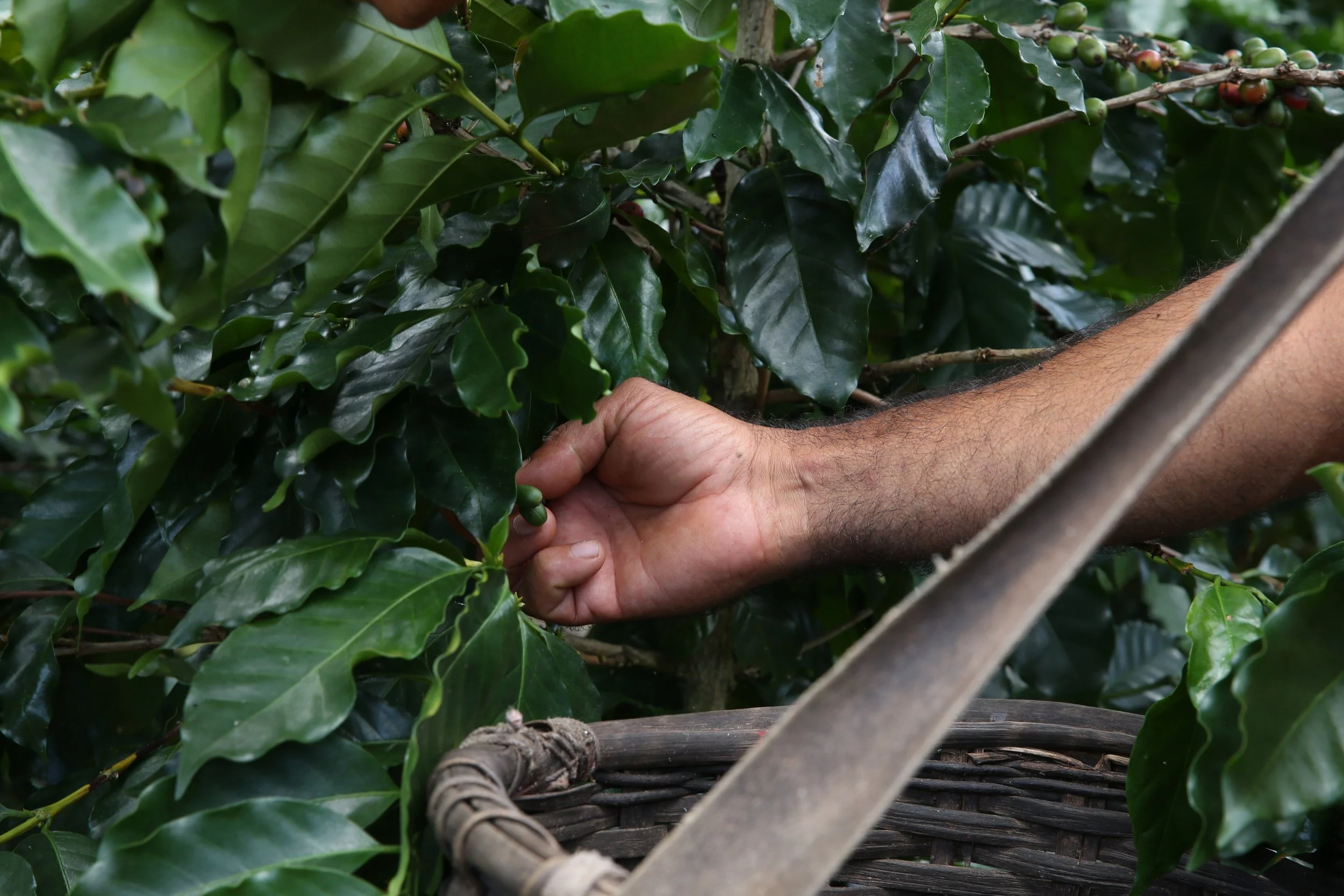
Many might not know the history of our native Taíno community, but their wisdom is alive in the land they tended centuries ago. We honor and continue this legacy. by embracing and incorporating traditional farming practices, and preserving our culture and way of life.
Each cup of our Specialty Puerto Rican coffee is a direct link to the hands that first tended our island, join our story and connect back with nature through visiting our farm! experience a connection to the island's past and becoming a part of its sustainable future.
We hope to see you Soon!
Experience the Best! Visit Puerto Rico’s Premier Coffee Farm!
Come see the Maricao Mountains for yourself. Walk through volcanic soil, listen to the springs that feed the farm, and taste coffee grown with integrity. Whether you’re here for a tour or to take home a bag, Hacienda Iluminada offers a taste of Puerto Rico you’ll never forget.
From our hands on Hacienda Iluminada to your cup, 787 Coffee is on a mission to redefine what it means to drink Puerto Rican coffee.
We grow every single bean ourselves.
We practice real sustainable farming—no greenwashing, just love for the land.
Every sip you take supports local farmers, protects our forests, and keeps our coffee legacy alive for the next generation.
Ready for the trip of a lifetime? Come to Maricao. Walk the fields. Smell the fresh-roasted beans. Feel the heartbeat of Puerto Rico in every single cup.
👉 Ready to taste the tradition? Book your unforgettable Hacienda Iluminada coffee tour today at HaciendaIluminada.com!